In this fast paced world , businesses often prioritize getting immediate leads rather than waiting for organic results, which may take longer through organic search engine optimization. To achieve quicker results, many turn to Pay per click (PPC) advertising.
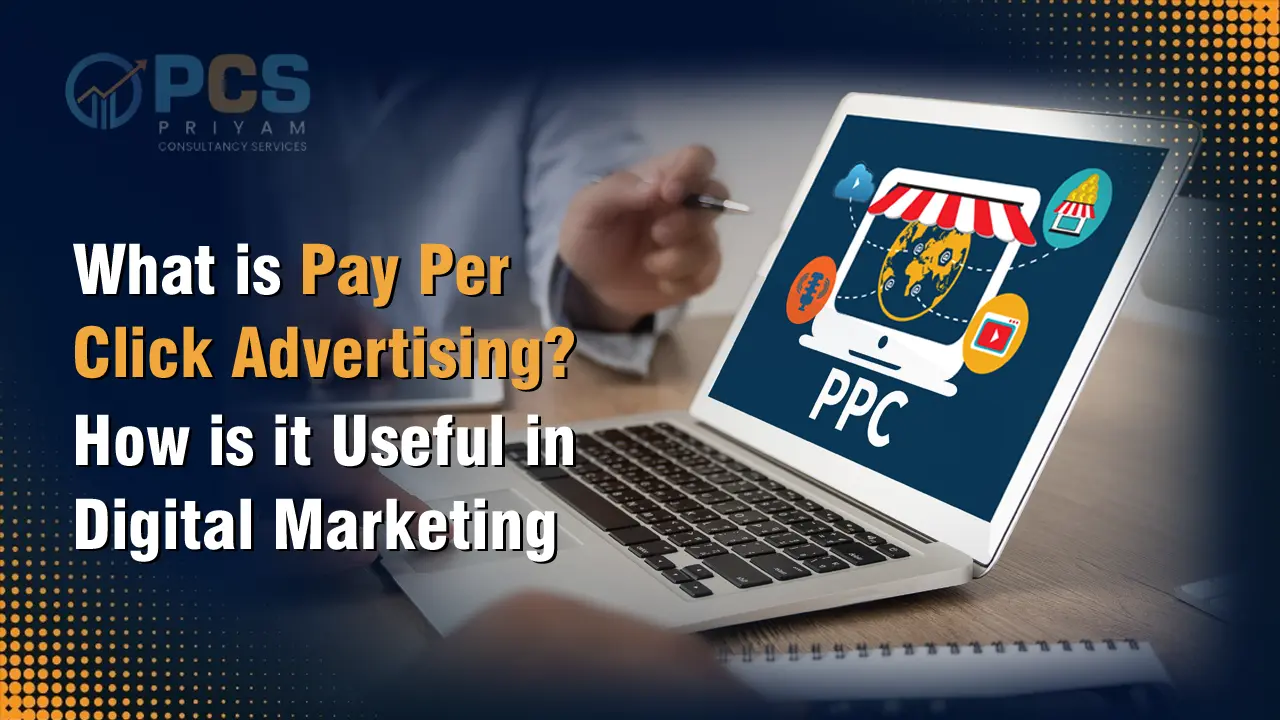
Pay – Per – Click (PPC) advertising is a type of paid marketing where businesses pay a free time for users to click on their ad. Instead of earning traffic organically, PPC allows brands to buy targeted visits through search engines, social media platforms, and other digital channels, making it a fast and efficient way to reach potential customers.
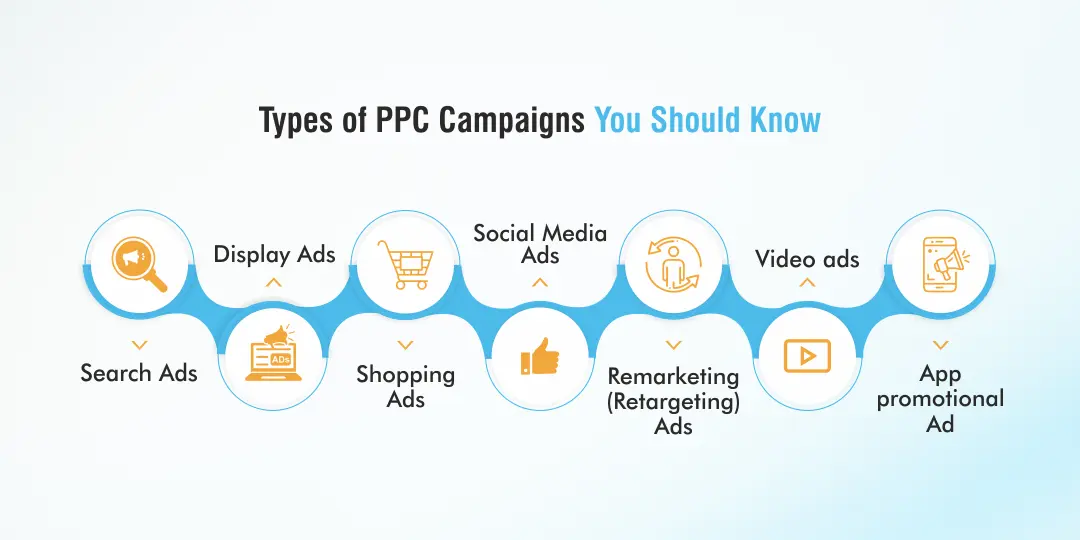
There are many PPC campaigns , each designed for a specific business goal. Here are some of the most important and commonly used ones:
Search ads are online advertisements that appear on search engine results pages (SERPs) when someone searches for keywords related to a business. To run these ads, advertisers first bid on specific keywords. An ad auction is then conducted, where factors like bid amount, ad quality, context, and ad rank thresholds determine which ads will appear.
The winning ads are displayed on platforms like Google Search, Shopping Tab, Google Images, and Google Maps. Advertisers pay a fee each time a user clicks on their ad, following the Pay-Per-Click (PPC) model. Search ads are highly effective because they capture users who are actively looking for products or services, making them one of the most popular forms of PPC advertising.
Display ads are visually engaging advertisements—such as banners, images, or videos—that appear across websites, apps, and social media platforms. Unlike search ads, which rely on keywords, display ads focus on visual storytelling to promote products, services, or brands.
Advertisers usually run these ads through ad networks like the Google Display Network, which connects them to millions of publisher websites. The ad creatives can be developed in-house or with external design partners, and advertisers then select from a range of targeting options to reach the right audience.
Shopping ads are designed primarily for retailers, showcasing product details such as the image, price, and store name directly within the ad. This format helps attract highly qualified buyers by giving them essential information upfront before they even click.
Social media ads are paid advertisements that run on platforms like Facebook, Instagram, LinkedIn, TikTok, and X (Twitter), giving businesses the ability to target audiences with precision. By using factors such as demographics, interests, behaviors, and online activity, these ads ensure brands reach the right people at the right time. They come in various formats, including sponsored posts, promoted tweets, in-feed video ads, story ads, and carousel ads, each designed to capture attention and drive engagement. Social media ads are especially effective for building brand awareness, generating leads, and boosting customer interaction, as they seamlessly integrate into users’ feeds while delivering measurable results.
Remarketing, also known as retargeting, is a powerful digital marketing strategy that focuses on re-engaging people who have already interacted with a brand—whether by visiting the website, browsing products, or engaging with content. The main goal is to remind these potential customers of the brand and encourage them to return to complete a purchase or take another desired action, such as filling out a form or subscribing. By showing personalized ads to users who are already familiar with the business, remarketing increases conversion rates and helps maximize the value of existing traffic.
Video ads are lively and interesting types of online ads that grab attention through movement and stories. You often see them on YouTube, Facebook, Instagram, and other streaming or social sites. They work well for sharing a brand’s message. Video ads let businesses show how products work, share what customers think, or tell a brand’s story more than regular ads. Video ads include choices like ads you can skip, ads you can’t skip, ads that play during other videos, and short clips. Video ads are great for getting people to notice a brand, interact with it, and buy something.
App promotion ads help companies get more people to download and use their apps. They can show up on places like Google Search, Google Play, YouTube, Display Network, and many social media sites. Businesses add things like the app’s name, a description, and what makes it special. Then, the platform makes the ads and shows them to the right people. App promotion ads target based on how people act, what device they use, and what they like. They help brands get more app installs and get people to use the apps more, making them helpful for app-based companies.
Whether your business is small or big, you can easily set your budget up or down because you only pay when someone clicks with Pay Per Click Marketing.
Every click, impression, and conversion can be tracked in real time using PPC Management Tools, giving you clear insights into performance and return on investment.
Well-structured PPC campaigns not only drive more visitors to your site but also attract highly qualified traffic, increasing the chances of conversions and long-term growth.
It’s not just about traffic. PPC can help with long-term goals, too. There are many ways to measure and track PPC results and use that data to grow your business. With the right PPC marketing tools, it’s easy to align your PPC campaigns with your goals.
Not Defining Clear Goals – Running ads without a clear objective leads to wasted budget and poor results.
Ignoring Keyword Research – Targeting broad or irrelevant keywords attracts unqualified traffic.
Weak Ad Copy and Creatives – Ads that fail to highlight value or engage users won’t generate enough clicks.
Poor Landing Page Experience – Slow or irrelevant landing pages reduce conversions even if ads perform well.
Neglecting Analytics and Optimization – Failing to track, analyze, and optimize campaigns prevents continuous improvement.
In today’s competitive online landscape, Pay Per Click (PPC) Advertising is no longer optional—it’s essential. Unlike traditional marketing methods, PPC Marketing allows businesses to achieve instant visibility, reach their target audience precisely, and measure results in real time. Integrating PPC campaigns into your digital marketing strategy ensures you stay ahead of competitors, drive qualified traffic, and maximize return on investment. With the help of advanced PPC Management Tools, businesses can continually optimize their campaigns for better performance, making PPC in Digital Marketing a critical driver of growth, lead generation, and overall business success.
Pay Per Click (PPC) Advertising is one of the fastest and most effective ways to generate leads, boost visibility, and maximize returns in today’s competitive digital space. From search ads and shopping ads to remarketing campaigns and social media promotions, PPC offers flexibility, precision, and measurable results that can transform your business growth.